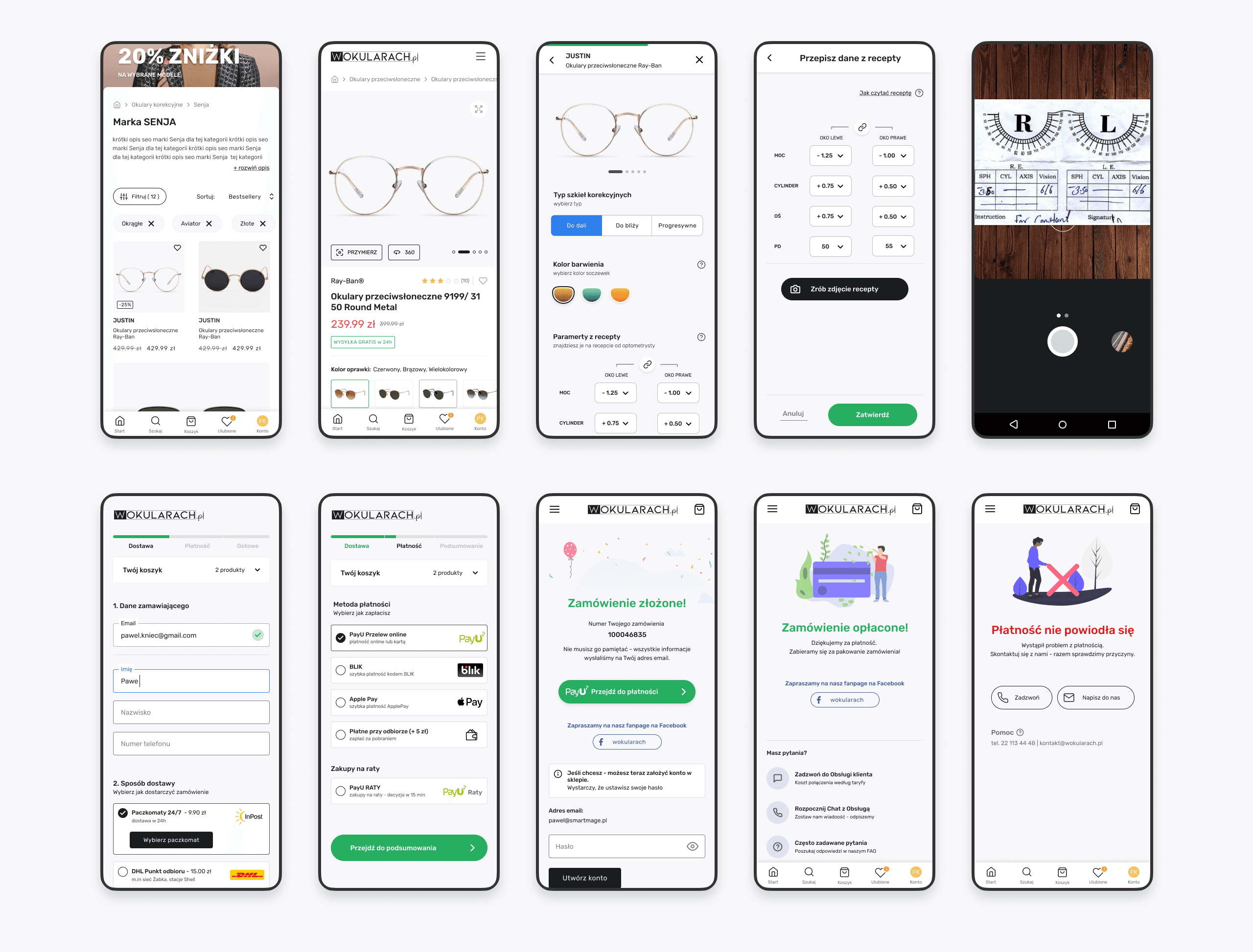
User behavior analysis uncovered several issues that were negatively impacting the customer experience and conversion rates:
Category pages were cluttered, so finding the right frames took too long
Product cards hid key information, and carts were abandoned
Matching a prescription to a frame was a multi-step puzzle
Lens options came as long, unfiltered lists
The interface felt dated next to modern shops
Mobile was slow: a performance score of 32 out of 100
My design work focused on creating an intuitive, user-friendly experience throughout the entire customer journey. We conducted thorough UX audits of both desktop and mobile versions to identify pain points and opportunities for improvement.




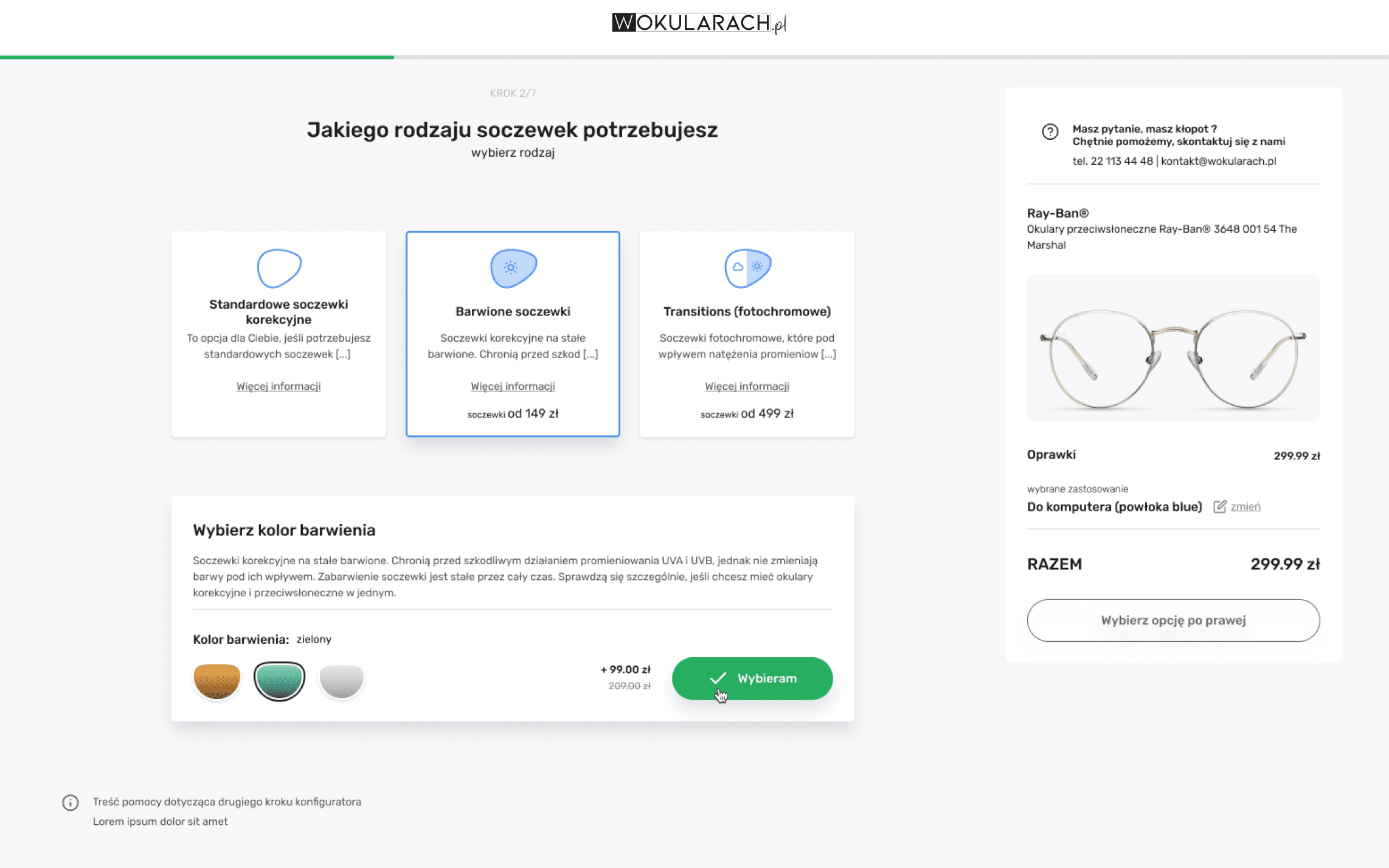
The configurator, rebuilt.
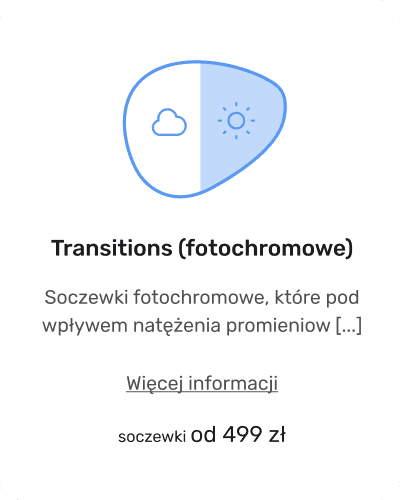
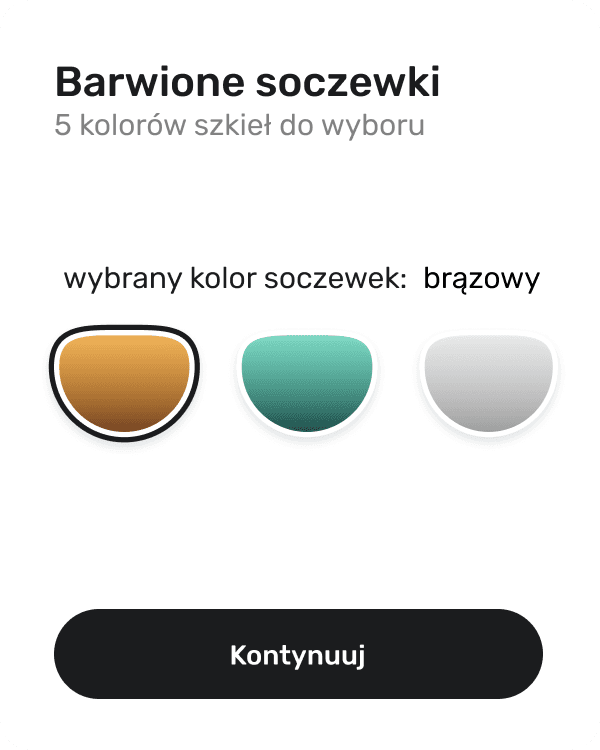
Matching lenses to a prescription is where customers get stuck. I mapped every decision point in the flow and rebuilt it as a guided, step-by-step process: progressive disclosure instead of a wall of options. One question per step, and only the options that fit the earlier answers. Built to replace the phone call, not require it.
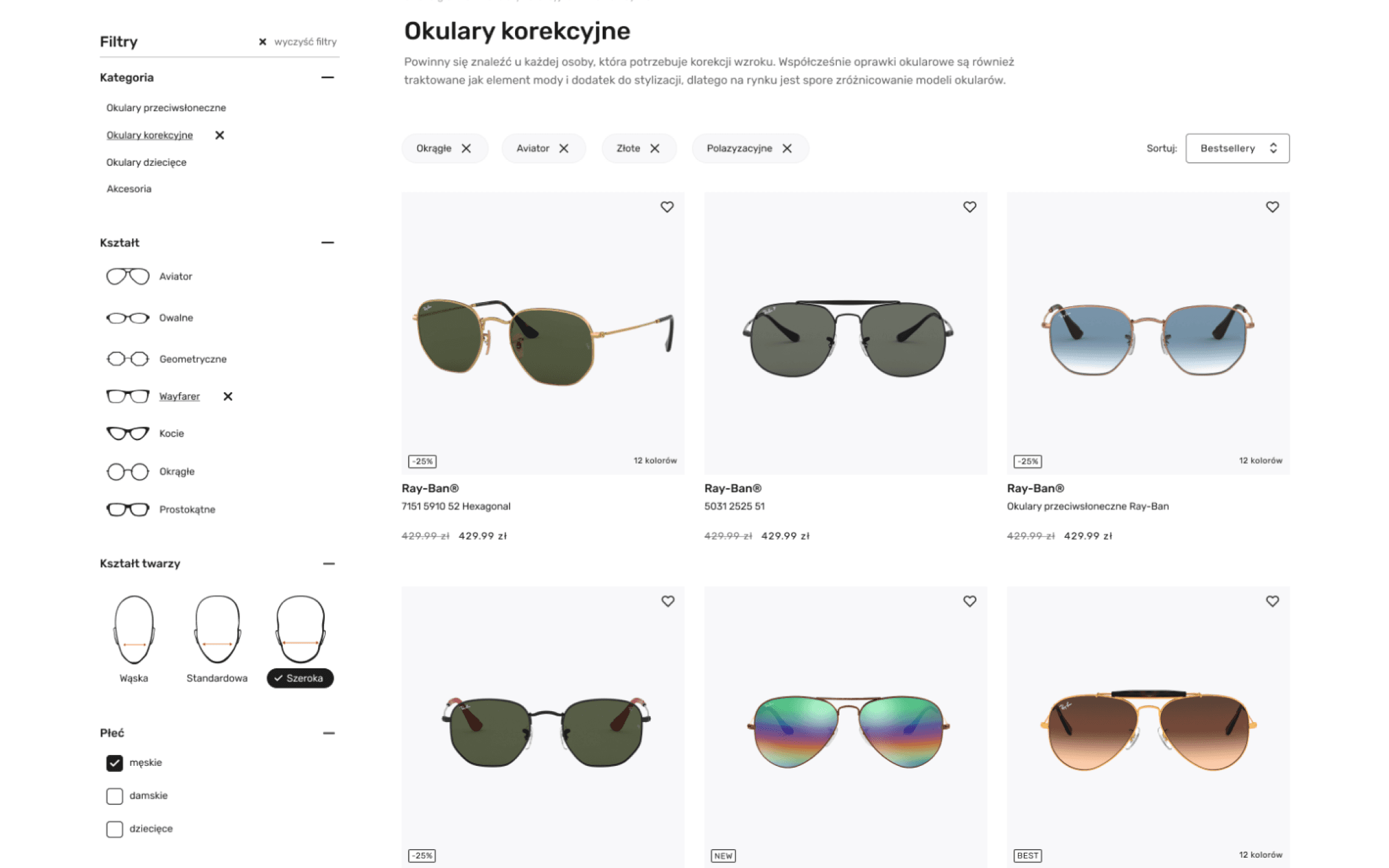
Category pages that actually filter.
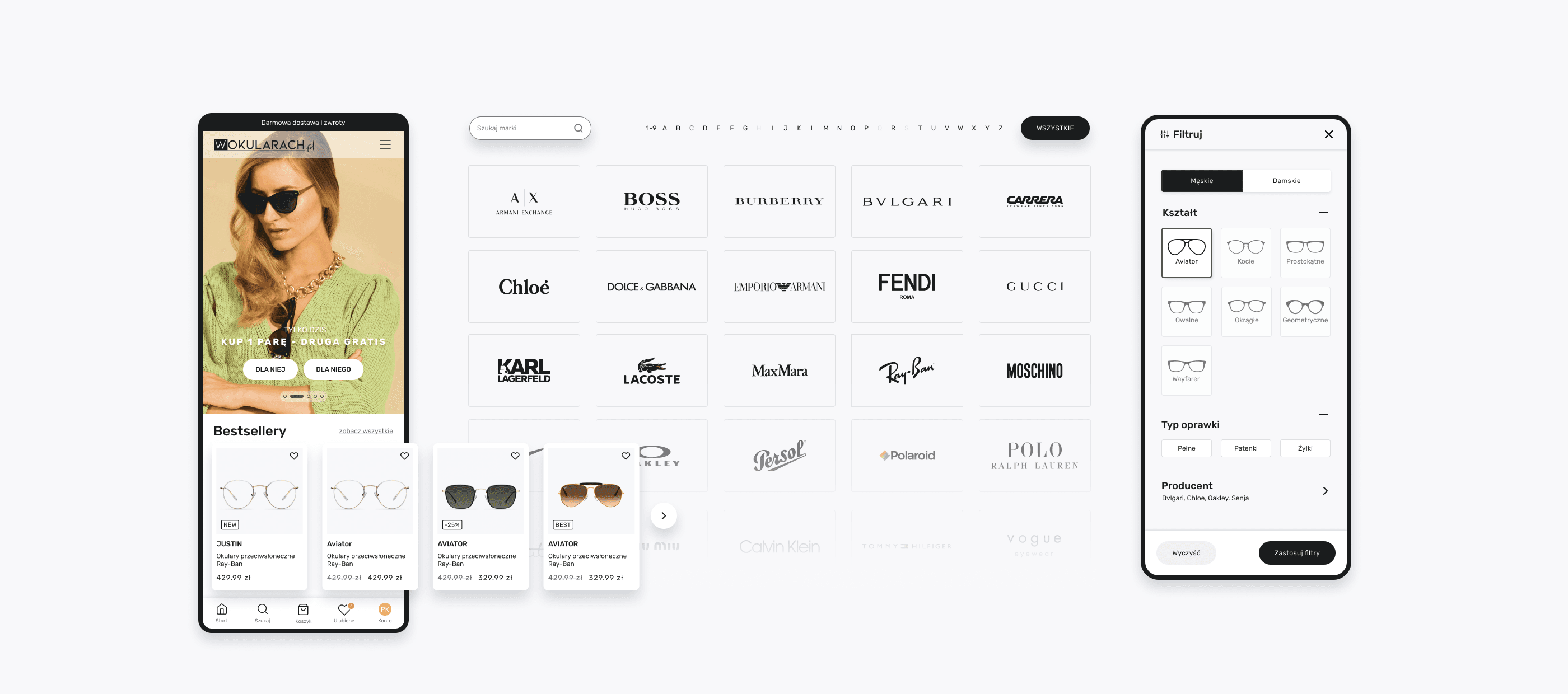
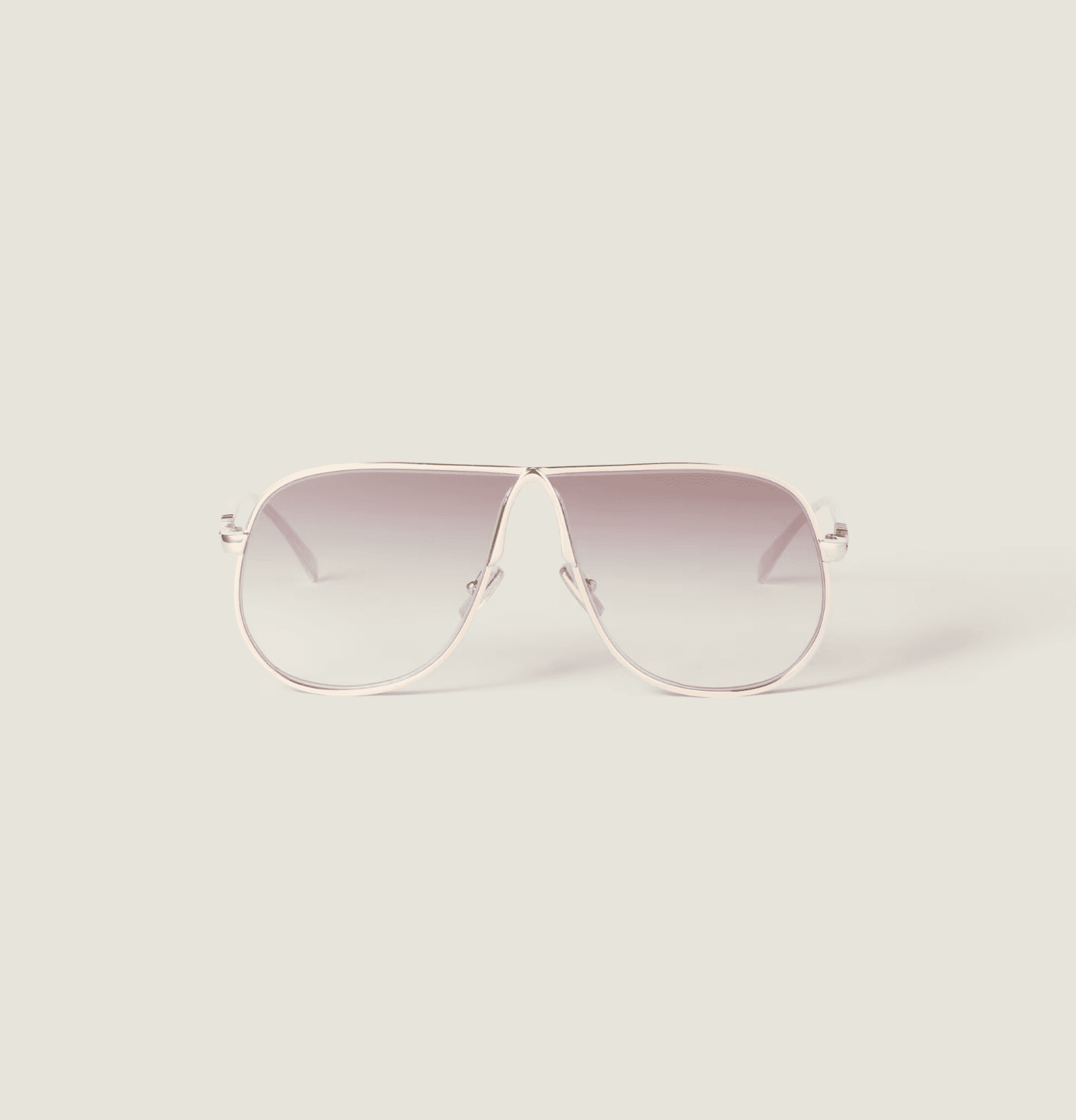
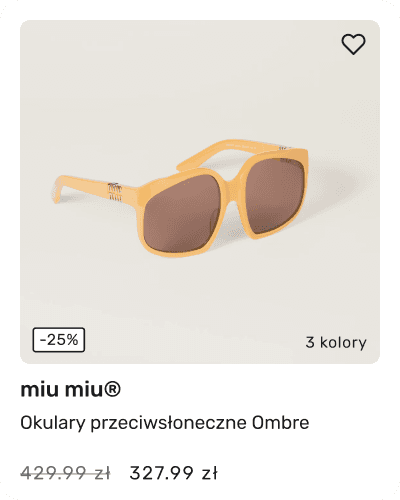
Every listing was redesigned around one question: what does this customer need to know right now? Product cards show the specs that decide a purchase, filters work by frame shape, type and brand, and the hierarchy makes the next click obvious.
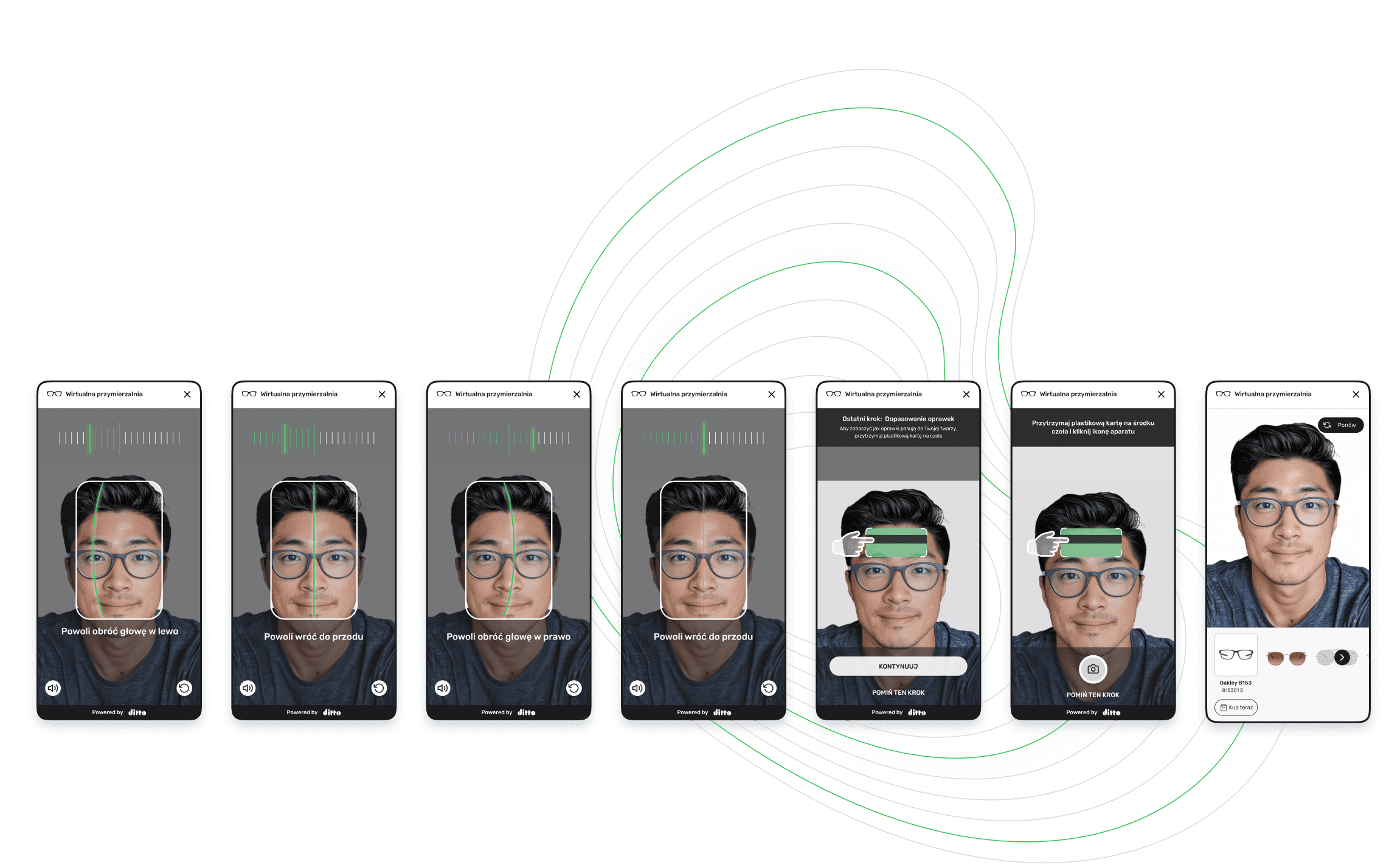
Ditto virtual try-on, made part of the flow.